Vietnam War: Key Events, Causes, and End of it
The Vietnam War was a long and difficult conflict that happened in Vietnam from 1955 to 1975. It was mainly between North Vietnam, who wanted the country to become communist, and South Vietnam, who wanted to stay non-communist with help from countries like the United States. The U.S. got involved because it wanted to stop the spread of communism during a time called the Cold War.
This war lasted for nearly 20 years and caused a lot of pain and loss for both the Vietnamese people and American soldiers. It also led to many protests in the U.S. and changed how people felt about war and politics. In this blog, we’ll look at the main causes, How Was the War Won, and How Was the USA Defeated in a simple and clear way.
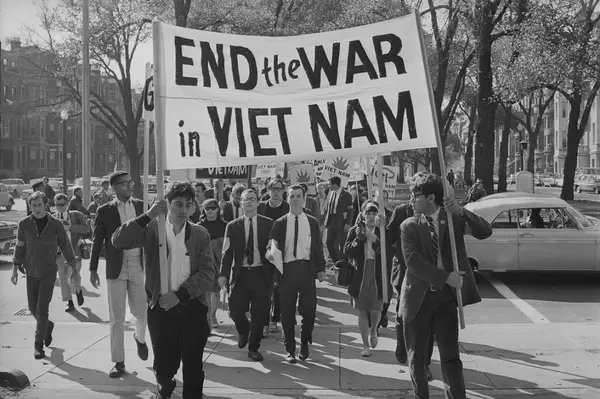
How Did the Vietnam War Start?
It started as a fight for freedom, turned into one of the most brutal wars in history, and ended with a global superpower walking away in defeat. How did a small Southeast Asian country bring the mighty USA to its knees? Let’s unravel the story of the Vietnam War—how it began, how it was fought, and how it was won.
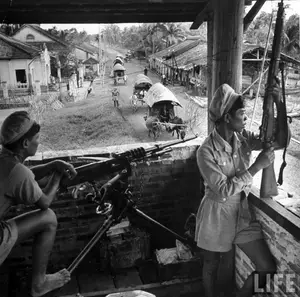
Vietnam had spent decades fighting for independence—from the French, then the Japanese, and finally, itself. After defeating French colonial rule in 1954, the country was split into North Vietnam (communist, led by Ho Chi Minh) and South Vietnam (backed by the USA and anti-communist government). But this wasn’t just Vietnam’s fight—it was the Cold War in action. The USA feared communism spreading across Asia (the Domino Theory), so when conflict between the North and South escalated, America jumped in, guns blazing.
Next Stop? Check these Stunning Getaways



How Was the USA Defeated in Vietnam war?
The U.S. entered with full confidence, believing their firepower and advanced technology would crush North Vietnam quickly. But they were fighting the wrong kind of war.
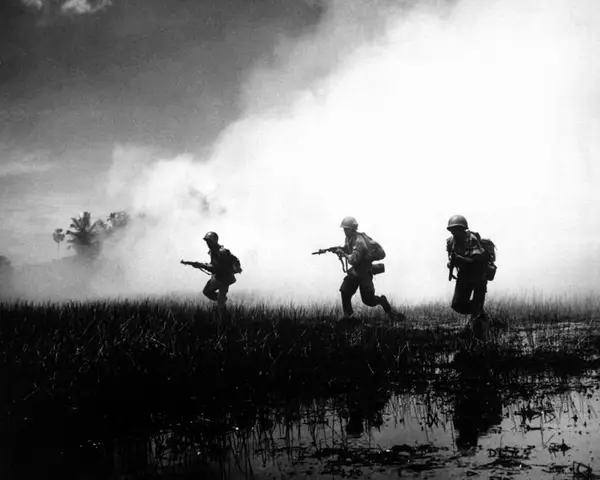
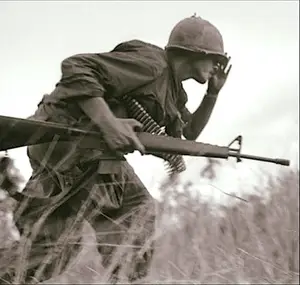
The Jungle Was the Battlefield – The Vietnamese forces used guerrilla tactics, underground tunnel networks, and hit-and-run attacks. The dense jungles became a nightmare for American troops, who couldn’t tell friend from foe.
The War Played Out on TV – For the first time, war was broadcast into American homes. Scenes of burned villages, civilian casualties, and endless fighting sparked massive protests back in the U.S. The public turned against the war, demanding withdrawal.
A War of Willpower – The North Vietnamese were not just fighting for political ideology; they were fighting for their homeland, their families, their future. They were willing to lose millions but never surrender. The U.S., on the other hand, was losing soldiers to an enemy they couldn’t even see.



How Was the War Won?
By 1968, the Tet Offensive shook the world. North Vietnam launched a massive surprise attack on major South Vietnamese cities, proving they were far from defeated. American leaders realized they were in a war they couldn’t win.
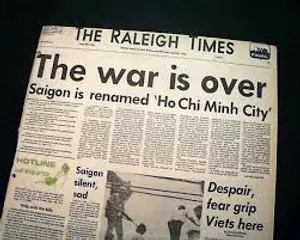
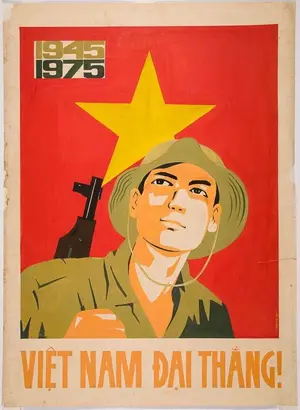
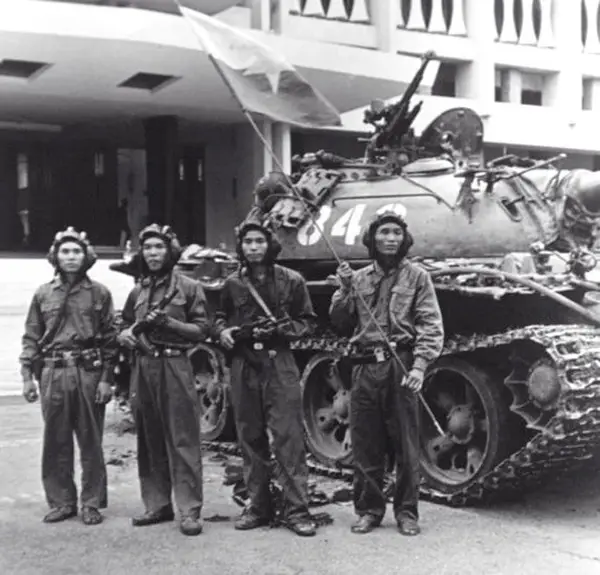
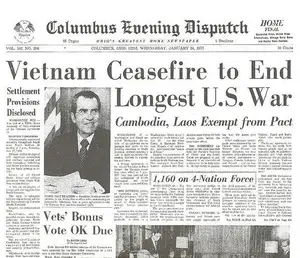
By 1973, U.S. troops were ordered to withdraw. Without their support, South Vietnam collapsed. On April 30, 1975, North Vietnamese tanks rolled into Saigon, marking the war’s end.
Many tactics of Charttrapati Shivaji were used in the Vietnam War. Shivaji built strategic hill forts across Maharashtra, where his forces could retreat, regroup, and launch fresh attacks. These forts were nearly impossible for the Mughals to capture, giving Shivaji a strong defensive advantage.
Similarly, the Vietnamese built an underground empire—the Cu Chi Tunnels. These vast networks had hospitals, weapon storage, and command centers, allowing the Viet Cong to move undetected. No matter how much the U.S. bombed the surface, the real war was happening underground.
➡ Lesson was: A hidden fortress—whether on a hill or underground—gives the weaker army a massive advantage.
How Did It End?
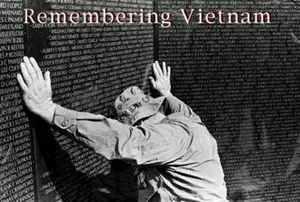
Vietnam became a unified communist country, while the U.S. faced one of its biggest military failures in history. 58,000 American soldiers lost their lives, and Vietnam was left in ruins. But from the ashes of war, Vietnam rebuilt itself.
Today, it’s a peaceful, thriving nation, proving that even the smallest country can stand tall against the biggest powers. Would you ever walk through the streets of Ho Chi Minh City and imagine the history that unfolded there?